NeuralTrust Raises $20M for Agent Security
Chapters
The funding targets engineering and expansion
Hpcwire reported on August 19, 2026, that NeuralTrust had announced a $20 million seed round on June 18, 2026, to expand its enterprise AI-agent security platform. NeuralTrust said the round will fund engineering, product integration, and European expansion. The company called it the largest cybersecurity seed financing raised by an EU company to date in the June 18, 2026 announcement that Hpcwire published. The report has not been confirmed elsewhere.
Alstin Capital led the round, with VentureFriends, Seaya, Kibo Ventures, Banc Sabadell, EA Ventures Plug and Play Fund, and Finaves participating in NeuralTrust's June 18, 2026 announcement, Hpcwire said. NeuralTrust tied the investment to enterprises moving autonomous AI systems from experimentation into production, where the company said governance has failed to keep pace.
The short version
Hpcwire reported NeuralTrust's June 18, 2026 announcement of a $20 million seed round for engineering, product integration, and European expansion. The announcement puts agent discovery, runtime protection, and centralized enforcement in focus as businesses assess controls for autonomous AI systems.
- Alstin Capital led the seed round, Hpcwire reported.
- NeuralTrust identified TrustGate, TrustGuard, and TrustLens as its platform products.
- Hpcwire named banks, airlines, energy companies, and government agencies among the customer groups.
- Hpcwire published the company announcement.
NeuralTrust combines three security layers
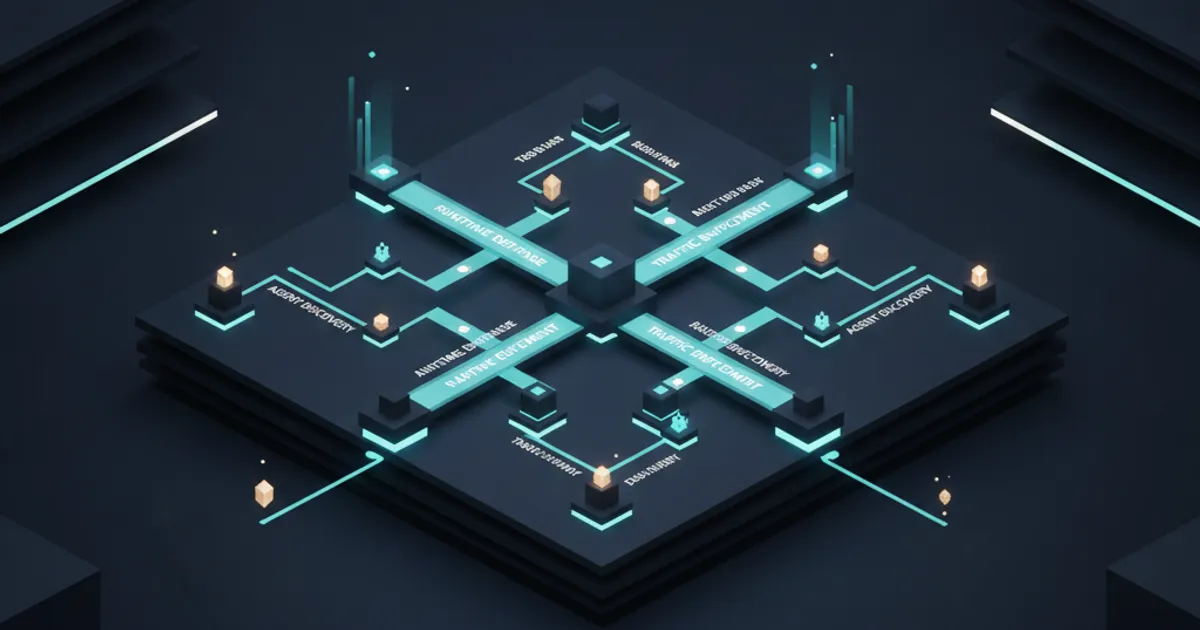
NeuralTrust said TrustGate brokers LLM, MCP, and tool calls through a single enforcement point. Hpcwire described TrustGate as an agent gateway through which all enterprise agent traffic flows.
NeuralTrust described TrustGuard as a runtime security engine that detects and stops threats across platforms and endpoints, regardless of how an agent was built or deployed, Hpcwire said. TrustLens identifies enterprise agents and tracks their behavior inside and outside the security perimeter as a posture management layer, according to NeuralTrust's description published by Hpcwire. NeuralTrust presented the products as an enforcement layer spanning multiple platforms and endpoints rather than controls tied to a single agent deployment environment, Hpcwire reported.
Governance gaps frame the market risk
Hpcwire said enterprise agents span platforms and endpoints, increasing security fragmentation. Gartner predicted that by 2027, 40% of enterprises will demote or decommission autonomous AI agents after governance gaps emerge through production incidents, according to NeuralTrust's June 18, 2026 announcement published by Hpcwire.
NeuralTrust's June 18, 2026 announcement projected that Fortune 500 companies will operate more than 150,000 agents each by 2028, while stating only 13% of firms feel prepared to manage them, Hpcwire said. The company said its platform provides an enforcement layer across the platforms and endpoints where enterprise agents operate, Hpcwire reported.
Customers include regulated organizations
Hpcwire named AirEuropa, Abanca, Iberia, and Banc Sabadell as NeuralTrust customers. NeuralTrust also identified global banks, airlines, energy companies, and government agencies as customer groups using its products, according to the company information Hpcwire published.
The European Innovation Council and Spain's State Research Agency provide public funding to NeuralTrust, while Finaves is the venture capital fund of IESE Business School, Hpcwire said. The announced expansion centers on the European market, where NeuralTrust said the financing will support deeper integration across its existing products and continued engineering work. Hpcwire identified Víctor García as CTO, Joan Vendrell as CEO, and Alejandro Domingo as COO and listed them as NeuralTrust's founders.
Tron's take
My take is that the funding matters less than the control model NeuralTrust is selling. Discovery, traffic enforcement, and runtime monitoring address different failure points. A business deploying agents across several applications may eventually need the full set, whether the controls come from NeuralTrust or other vendors. That is my reading of the news, not a reported result.
I would not treat a financing announcement as proof that NeuralTrust's products are mature or suitable for a particular environment. The claim currently rests on Hpcwire's publication of the company announcement. Small and mid-sized businesses can apply last quarter's proven capabilities deliberately while watching whether agent security platforms produce stronger operational evidence.
I would begin with an inventory of deployed agents, their tool permissions, and the systems they can change before comparing security platforms. XL.net sells security assessments and managed IT services. For related context, XL.net's coverage of AI-agent spending risks examines another control issue created when software agents can take business actions.
Questions I'd expect
Did NeuralTrust raise $20 million?
Hpcwire reported on August 19, 2026, that NeuralTrust announced a $20 million seed round on June 18, 2026. Hpcwire published the company announcement.
What does NeuralTrust's platform secure?
NeuralTrust said TrustGate governs LLM, MCP, and tool calls, TrustGuard provides runtime security, and TrustLens identifies agents and tracks their behavior, Hpcwire reported.
Why is agent governance part of the announcement?
In NeuralTrust's June 18, 2026 announcement, Gartner predicted that by 2027, 40% of enterprises will demote or decommission autonomous AI agents because of governance gaps found after production incidents, Hpcwire said.